
How to build a home in Chatham County: permits, septic, wells and stream buffers
Who issues your building permit in Pittsboro, Siler City or the countryside, how septic and well permits work, and how stream buffers can shape your lot.
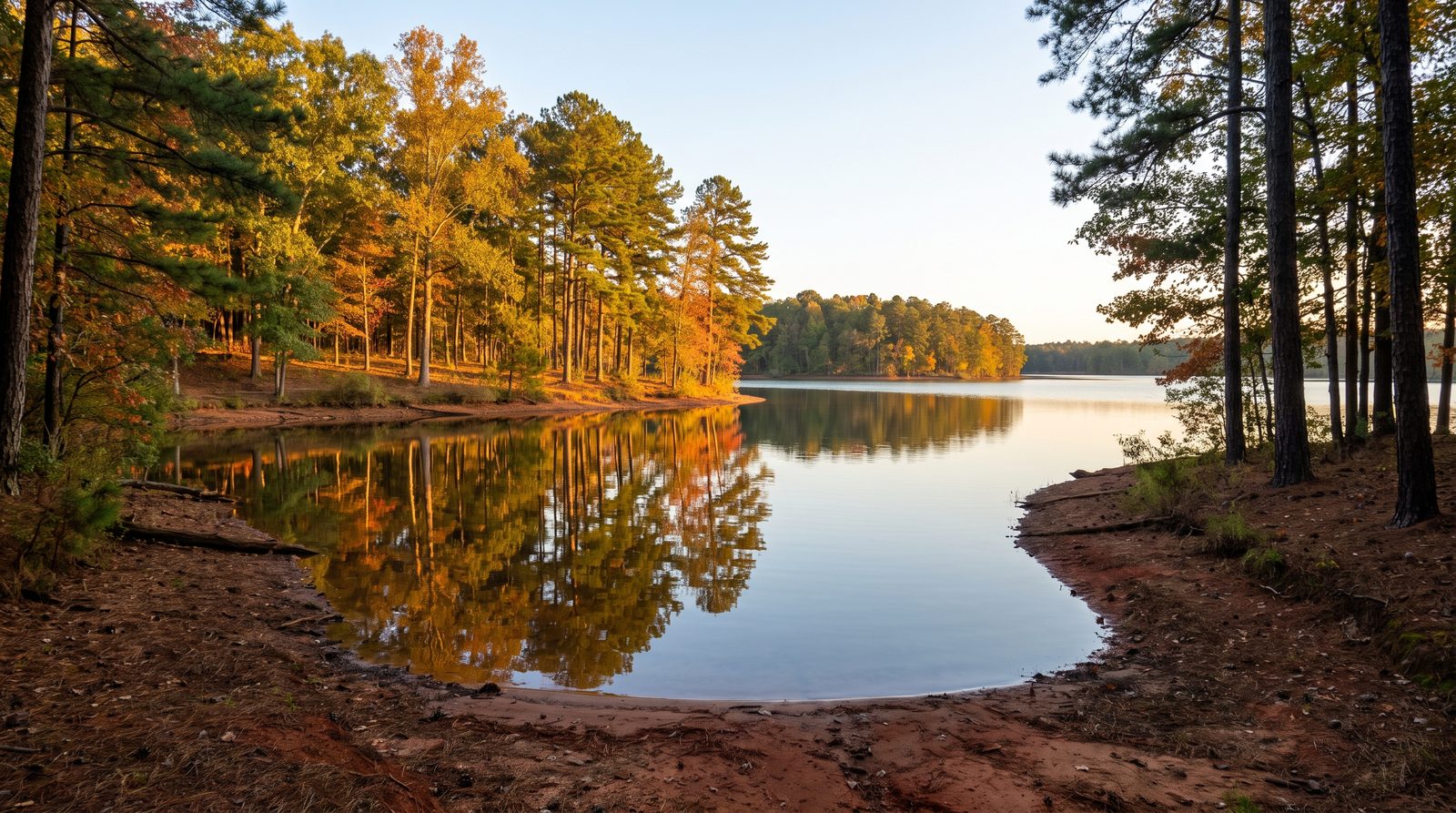
In Chatham County, one county office handles building permits and inspections whether you build in Pittsboro, Siler City, Goldston or out in the country. On rural land, county Environmental Health permits your septic system and well. The county's stream buffer rules depend on whether your lot sits in the Jordan Lake watershed and when the lot was created. Check septic, well and buffers before you buy, because together they can decide where a house fits on a lot, or whether it fits at all.
Who issues the building permit in Chatham County?
According to the county, Chatham County Building Inspections issues permits and does inspections for the unincorporated county and for the towns of Pittsboro, Siler City and Goldston. It reviews construction plans, inspects every building trade (construction, electrical, plumbing, HVAC and insulation), enforces the NC State Building Codes and issues the certificate of occupancy, the sign-off that lets you move in. It also inspects modular and mobile home setups and checks that a home meets county addressing rules.
The office is part of Central Permitting & Inspections at 80 East Street in Pittsboro, open 8 a.m. to 5 p.m. on weekdays, at 919-542-8293 or 919-545-8403. The county says permits for Central Permitting, the Fire Marshal's Office, Environmental Health, Planning and Watershed Protection can be applied for through its online portal, OpenGov.
A few rules worth knowing early:
- Get the permit first. The county's building permit page says starting construction before getting the right permits means a double permit fee.
- Inspections go in order. Every trade's rough-in inspection must pass before the framing inspection, and every trade must pass before the building final. Otherwise the inspection is rejected.
- Keep the paperwork on site. The site record card and stamped plans must be available to the inspector at all times, or the inspection is rejected and an extra trip fee may be charged.
- Changes need a form. Since August 12, 2024, changes to an issued residential permit need a Residential Permit Revision Form.
- An optional extra look. For homes with crawlspaces and wood floor systems, the county offers a courtesy "Open Floor" inspection before the subfloor goes down.
If you'll connect to water or sewer in Pittsboro, the county notes that Pittsboro's utilities have merged into TriRiver Water, and permit applicants need TriRiver's Utility Service Installation Application, which comes from the City of Sanford.
How do septic and well permits work?
Where sewer isn't available, the house needs an approved septic system. The county's septic permit guide lays out the steps:
- Apply for an Improvement Permit. You'll need the application, the fee, a site plan, a flood plain determination, a document showing someone may apply for the owner if that applies, and, if the land is being subdivided, a stream identification form. You can apply online.
- Meet the specialist on site. An Environmental Health Specialist meets you at the property. Know where the house will go and be ready to show the property corners; you can ask for flagging to mark them.
- Hold the permit. If the soil is suitable, the Improvement Permit is valid for 5 years.
- Apply for a Construction Authorization when you're ready to build. It is valid for 5 years from the date of the Improvement Permit.
- Install and approve. A certified septic contractor installs the system. Once the county approves it, it issues an Operation Permit and tells Building Inspections.
All three septic permits must be in hand before you get a certificate of occupancy. The county also notes that professional engineers and licensed soil scientists can issue septic permits.
For a new private well, you need a well permit from Environmental Health first; it is valid for 5 years. The application needs a site plan and a flood plain determination. A specialist approves the well site, inspects the grout after drilling, and samples the water. State law requires bacteriological, inorganic and nitrate tests on every new well. That work must be finished before the building final can be scheduled.
How wide are the stream buffers near Jordan Lake?
A stream buffer is a strip along the water where building is restricted. The county's buffer rules depend on where your lot is:
- Inside the Jordan Lake watershed, not subdividing: 50 feet from the top of the bank on intermittent and perennial streams, lakes, ponds within natural drainage features and reservoirs, with no buffers on wetlands.
- Outside the watershed, lot created before December 2, 2008, not subdividing: 50 feet on USGS "blue line" streams and 100 feet on rivers shown on the USGS map and on all perennial and intermittent streams, mapped or unmapped, within 2,500 feet of one.
- Outside the watershed, lot created after that date, or any subdivision: 30 feet for ephemeral streams (which flow only after rain), 50 feet for intermittent, 100 feet for perennial, and 50 feet for wetlands and some ponds. These also apply inside the watershed to land being subdivided or where staff confirmed a buffer on site.
The county says the 100-foot rule near rivers applies whatever the watershed or lot date. If you think a mapped stream is wrong, you can ask county staff to check it in the field.
Who do you call about schools and permits?
Chatham County Schools runs a School Assignment Locator page; the district office is at 919-542-3626.
The county's Environmental Health Division is at (919) 542-8208, and the well program's Ray Milosh is at 919-545-8319. For buffer questions when subdividing, the county lists Kimberly Tyson, Subdivision Administrator, at (919) 542-8283.
Sources
- Building Inspections · Chatham County
- Central Permitting & Inspections · Chatham County
- Obtaining Building Permits · Chatham County
- How to Apply For Environmental Health Septic System Permits · Chatham County Environmental Health
- Well Permits · Chatham County Environmental Health
- Riparian Buffer Requirements · Chatham County Watershed Protection
- School Assignment Locator · Chatham County Schools
- Wastewater and Septic Permits & Monitoring · Chatham County Environmental Health
More on towns and counties

Towns and counties
How to find out which public schools your Triangle address is assigned to
How to look up assigned schools in Wake, Johnston, Durham, Chatham and Franklin, why Wake's answer can change after you buy, and who to call.
Towns and counties
Building a home in Apex: permits, water and sewer, fees and who to call
Where your Apex lot sits decides how you get water and sewer, whether you need annexation, and what you pay. Here are the steps, fees and phone numbers.
Towns and counties
Building a home in Johnston County: which offices handle permits, septic, water and schools
Which office gives you the permit, the order to get septic, well or water approvals, how to look up schools, and who to call in Johnston County.